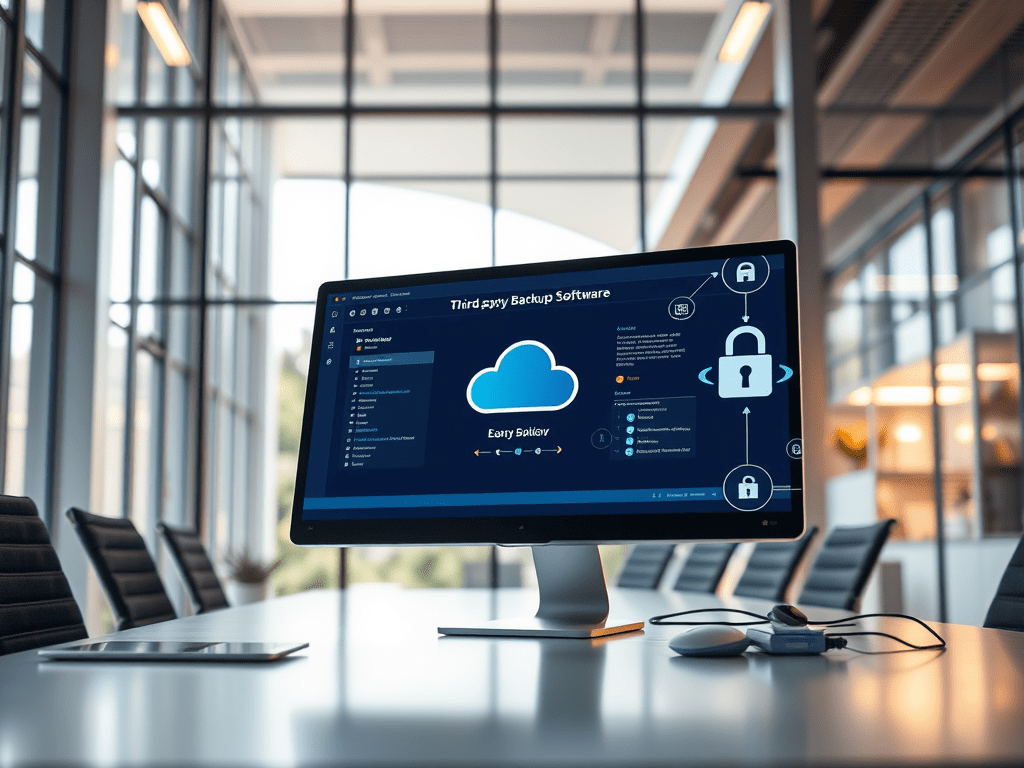
Introduction
Data loss costs businesses an average of $4.35 million per incident (IBM, 2023), making reliable backups non-negotiable. While built-in OS tools offer basic protection, third-party backup software provides advanced features like automation, cloud integration, and ransomware protection. This guide explains how to choose and use third-party backup solutions to safeguard your critical data.
1. Why Choose Third-Party Backup Software?
Modern backup tools outperform native utilities with:
- Cross-Platform Support: Backup Windows, macOS, Linux, and mobile devices in one system.
- Cloud Compatibility: Direct integration with AWS, Google Drive, or Dropbox.
- Encryption: Military-grade AES-256 encryption for compliance (GDPR, HIPAA).
- Ransomware Detection: Real-time monitoring to block unauthorized file changes.
Top vendors like Veeam, Acronis, and EaseUS dominate the market, offering specialized plans for homes and enterprises.
2. How to Set Up Third-Party Backup Software
Follow these steps to implement a secure backup strategy:
Step 1: Assess Your Needs
- Identify critical data (e.g., financial records, customer databases).
- Calculate storage requirements (use the 3-2-1 rule: 3 copies, 2 media types, 1 offsite).
Step 2: Select the Right Software
- For Home Users: Look for intuitive interfaces and mobile access (e.g., Carbonite).
- For Businesses: Prioritize centralized management and audit logs (e.g., Commvault).
Step 3: Configure Backup Jobs
- Install the software and authenticate storage destinations (local drive, NAS, or cloud).
- Set schedules (daily/weekly) and retention policies (e.g., keep backups for 90 days).
- Enable encryption and multi-factor authentication (MFA).
Step 4: Test and Monitor
- Perform a test restore to verify backup integrity.
- Use dashboards to track job statuses and storage consumption.
3. Best Practices for 2024
Maximize your backup efficiency with these tips:
- Automate Everything: Reduce human error with scheduled backups.
- Layer Defenses: Combine backups with antivirus and firewalls.
- Go Hybrid: Mix local backups for speed and cloud backups for disaster recovery.
- Update Regularly: Patch software to fix vulnerabilities (e.g., Log4j exploits).
4. Top Third-Party Backup Tools Compared
| Software | Best For | Key Feature | Pricing (Monthly) |
|---|---|---|---|
| Veeam | Enterprises | Instant VM Recovery | Starts at $25 |
| Acronis | SMEs | Blockchain-based audits | Starts at $7.99 |
| Backblaze | Home Users | Unlimited cloud storage | $7 |
5. Common Mistakes to Avoid
- ❌ Single Storage Location: A fire or theft could wipe out all copies.
- ❌ Ignoring Retention Policies: Outdated backups waste storage.
- ❌ Skipping Encryption: Unencrypted backups are easy targets for hackers.
Conclusion
Third-party backup software is essential for modern data protection. By following this guide, you can implement a robust strategy that combines automation, security, and scalability. Whether you’re securing family photos or enterprise databases, the right tools and practices will ensure your data survives any crisis.
Start your free trial with top-rated tools like Acronis or Veeam today—don’t wait until disaster strikes.
 Wonder-Ware
Leave a comment